
Sri Lankan Cuisine: Signature Dishes and Foods
Sri Lankan cuisine offers a true explosion of fragrant and captivating flavors. Indeed, this island gastronomy relies heavily on fresh spices, aromatic herbs, and rich coconut milk.
Furthermore, each region features its own unique and fascinating culinary traditions. That is why we invite you to discover these essential gastronomic treasures on your next trip.
During our recent trip to Sri Lanka, we tasted extraordinary dishes. Thus, this complete guide presents the best local specialties for you to enjoy.
🍛 Rice and curry: the heart of local gastronomy
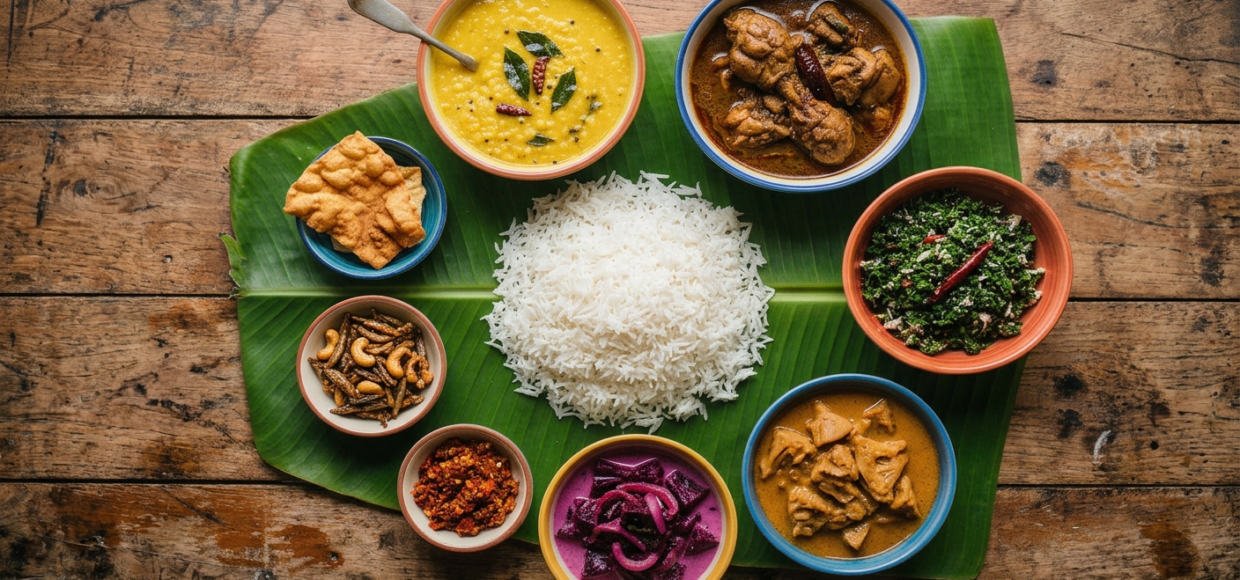
Rice and curry constitutes the iconic daily meal across the entire island. Moreover, this dish is far more than just a simple plate of hot rice.
In reality, cooks serve a generous mountain of rice accompanied by several small side bowls. As a result, every single bite delivers a completely different and exciting blend of flavors.
You will typically find a passionately spiced fish or chicken curry at the center. However, vegetarians will thoroughly enjoy the plant-based variations featuring local vegetables like eggplant, pumpkin, or red lentil dahl.
Besides, the great secret behind this traditional recipe lies in using freshly roasted spices. Chefs blend coriander, cumin, wild fennel, and ground cardamom together.
In addition, fresh coconut brings a perfect balance against the hot chili. You can enjoy this authentic meal in most small, family-run neighborhood eateries.
If you stay at the magnificent Heritance Kandalama hotel, the buffet features a fantastic assortment of regional currys. First, try the mature jackfruit curry for a surprising and flavorful plant-based texture.
Furthermore, feel free to request the spice level suited to your taste. Thus, you will fully enjoy the complex aromas without a burning sensation on your palate.
🥞 Hoppers and string hoppers: morning essentials
For breakfast, Sri Lankans very frequently eat crispy hoppers. Indeed, this unique bowl-shaped crepe boasts paper-thin, light edges.
In addition, the center of the crepe remains soft, thick, and gently spongy. Often, cooks crack a fresh egg right in the middle during cooking over the fire.
Thus, you get a particularly savory and nourishing egg hopper. Local residents pair this dish with a fresh tomato and pan-fried onion sambol.
On the other hand, string hoppers resemble delicate little nests of rice noodles. In fact, steam gently cooks these fine noodles arranged on natural woven bamboo mats.
Then, you generously pour a mild, creamy coconut curry sauce called sodhi over them. In short, these light preparations guarantee a colorful, energizing, and delicious start to your day.
Also, local street stalls sell these treats starting at the very first light of dawn. That is why you will see locals queuing up outside morning stalls.
🥢 Kottu roti: the iconic street food spectacle
When night falls over the city of Colombo, a rhythmic sound echoes through the streets. Indeed, street food vendors prepare iconic kottu roti right in front of captivated customers.
Cooks energetically chop crispy roti flatbread on a scorching hot metal plate. In addition, they use two large flat metal blades to quickly mix all the ingredients together.
They toss in crunchy vegetables, scrambled eggs, melted cheese, and spiced meat. That is why this fascinating visual and auditory performance instantly attracts curious travelers passing by.
Afterward, the dish is served piping hot alongside a small bowl of spicy curry sauce on the side. Consequently, this heartening and generous specialty instantly wins over all authentic street food lovers.
To learn all the cooking secrets behind this popular recipe, you can follow a local cooking class in Colombo on GetYourGuide. Thus, an experienced chef will first take you to select your fresh ingredients at a traditional market.
Furthermore, you will head home with complete recipe sheets to recreate this dish at home. Therefore, it is an ideal activity to bring delicious memories back from your vacation.
🥥 Essential sambols and aromatic condiments
Sri Lankan cuisine would really not be complete without its unique aromatic condiments. Indeed, pol sambol accompanies virtually every traditional meal throughout the day.
This signature preparation combines freshly grated coconut meat with dried red chili. In addition, cooks add tangy lime juice and finely diced red onion.
Also, kata sambol offers an even fiery version prepared without coconut. However, sweet mango or tamarind chutney brings a delightfully pleasant sweet-and-sour contrast.
Moreover, cooks incorporate fresh curry leaves and black mustard seeds into their marinades. Ultimately, these flavorful side dishes elevate the taste of every main ingredient in very subtle ways.
In fact, every family holds its own secret recipe passed down through generations. That is why you will taste different nuances as you travel from one village to another.
🐟 Delicious seafood and fish specialties
Since Sri Lanka is a tropical island surrounded by ocean, fresh seafood is abundant. That is why fish ambul thiyal stands out as a true culinary masterpiece of the southern coast.
This dry tuna curry utilizes goraka, a small dried fruit that is particularly sour. Indeed, this natural ingredient gives the dish a dark color and a very characteristic tart flavor.
Furthermore, this traditional method historically helped preserve fish without using a refrigerator. Thus, the tuna chunks remain firm and deeply infused with warm spices.
In the magnificent historic fort town of Galle, you will feast on incredible giant lagoon crabs. In addition, the prestigious Amangalla hotel serves refined plates filled with jumbo prawns sautéed in garlic butter.
Finally, black pepper grilled squid delights visitors dining right on the beach at night. As a result, seafood lovers will find absolute happiness here.
During peak season, fishermen also bring in succulent grilled rock lobsters. Then, you will dine with your feet in the sand facing an unforgettable sunset.
🍌 Sweet treats and traditional island desserts
Even though daily cooking leans towards savory and spicy flavors, desserts hold a remarkable place. Indeed, wattalappam remains the classic coconut milk custard served during festive occasions.
Islanders prepare this rich dessert using completely natural kithul palm sugar. Furthermore, they add ground cardamom, nutmeg, and crunchy cashew nuts.
Then, gentle steam-baking at a water bath gives it a light, spongy, and melt-in-your-mouth texture. Thus, this sweet treat finished a spicy meal harmoniously by instantly soothing your palate.
On the other hand, kavum is a deep-fried sweet treat traditionally prepared for New Year celebrations. In fact, rice flour and palm syrup compose this crispy fritter browned in oil.
Finally, curd and treacle pairs very creamy buffalo yogurt with sweet palm syrup. That is why this refreshing dessert brings a touch of acidity and sweetness highly appreciated by travelers.
Also, you will find an abundance of fresh tropical fruits like pineapples, mangoes, and red bananas. In short, the sweet Sri Lankan touch offers delicious flavor surprises.
🍵 Ceylon tea and refreshing drinks
One simply cannot discuss local gastronomy without mentioning famous Ceylon tea. Indeed, the green mountains in the center of the island produce some of the finest teas in the world.
Locals generally drink it very strong with warm milk and a little sugar. However, fresh ginger infusions warm up the body effectively during cooler evenings in Nuwara Eliya.
To stay right in the middle of scenic tea plantations, we recommend the sublime Ceylon Tea Trails. In addition, bright orange King Coconuts, named thambili, offer incredibly refreshing cold water.
Also, fresh tropical fruit juices made from mango, papaya, melon, and passion fruit abound. Consequently, you will stay perfectly hydrated and energized throughout all your sunny excursions.
Furthermore, street vendors cut open fresh coconuts right in front of you with a large knife. Thus, you drink a completely natural, eco-friendly beverage naturally rich in minerals.
📖 My personal experience in the colorful markets of Kandy
Upon arriving in the cultural city of Kandy, the vibrant aromas of spices instantly captivated me. Indeed, I took an early morning stroll through the aisles of the central indoor market.
A smiling local merchant warmly invited me to taste his steaming lentil dahl. Then, the comforting richness of coconut milk blended with subtle notes of fine cinnamon.
Afterward, I shared a hot egg hopper alongside several neighborhood residents. Thus, their warm welcome transformed a simple morning tasting into an unforgettable moment for me.
Next, the attentive cook showed me how to crush green chilies on a large stone grinding slab. In addition, he explained the crucial importance of roasting whole spices at length.
Ultimately, this authentic food immersion permanently modified my perception of Asian cuisine. That is why I truly encourage everyone to step inside modest local eateries.
Since that memorable trip, I regularly prepare rice and curry for my friends at home. However, recreating the exact freshness of island products remains a wonderful culinary challenge.
❓ Frequently Asked Questions about Sri Lankan cuisine
🌶️ Is food in Sri Lanka very spicy for tourists?
Yes, traditional cooking regularly incorporates a generous amount of fresh red and green chilies. However, tourist-friendly restaurants and major hotels willingly adapt spice levels upon request.
That is why you can order a mild dish by stating your preference without any worries. In addition, mild coconut milk and white rice help cushion heat on your palate.
Furthermore, you can ask for chili sauces to be served on the side instead of mixed into the plate. Thus, you easily control the heat level according to your personal sensitivity.
🥗 Is Sri Lankan cuisine suitable for vegetarians?
Absolument, Sri Lanka represents an unquestionable paradise for vegetarians and vegans alike. Indeed, a large portion of the population relies on fresh vegetables and legumes for daily meals.
Furthermore, the vast majority of local vegetable curries are cooked exclusively with plant-based coconut milk. Thus, you will find dozens of delicious, varied, and nutritious options on every menu.
In addition, lentils, chickpeas, and jackfruit provide all necessary proteins. In short, vegetarian travelers will feast without the slightest obstacle throughout their entire itinerary.
🚰 Can you drink tap water safely in Sri Lanka?
No, you should strictly avoid drinking tap water throughout your exploration journey. Indeed, always opt for sealed bottled water to completely avoid unnecessary stomach discomfort.
Moreover, use filtered or boiled water even when brushing your teeth at your hotel. As a result, you will safely protect your digestive health throughout your tropical getaway.
Also, avoid ice cubes in small rural eateries if you have a very sensitive stomach. On the other hand, upscale establishments serve ice prepared with purified water supplies.
🍍 What is the average budget for eating local food in Sri Lanka?
Dining at small, popular local eateries remains extremely budget-friendly and accessible to everyone. Indeed, a hearty portion of rice and curry usually costs between two and four euros only.
However, dining at high-end hotel restaurants naturally incurs higher rates closer to European standards. Thus, mixing local eateries with resort dining makes it easy to stick to any travel budget.
In addition, fresh tropical fruit purchased from roadside fruit stands costs only pocket change. Ultimately, eating in Sri Lanka offers extraordinary quality and value for travelers.