
Health and Vaccines in Sri Lanka: Guide
Preparing for your upcoming trip to the island of Sri Lanka requires special attention regarding essential health precautions. Nevertheless, the healthcare infrastructure across the country remains one of the most efficient and accessible in all of South Asia.
For this reason, we designed this comprehensive guide to clarify recommended vaccinations and disease prevention strategies. As a result, you will depart with total peace of mind to explore the breathtaking landscapes of ancient Ceylon.
During the preparation phase of our own exploratory travel across Sri Lanka, we personally consulted several specialists in tropical medicine. Consequently, we are sharing practical advice to help you anticipate all your medical needs well before departure.
Whether you plan to hike through misty tea plantations or relax on sunny tropical beaches, these measures will safeguard your body. Therefore, you will fully enjoy every stage of your itinerary without a single medical worry.
Taking a few minutes to review your immunization record will guarantee a smooth and completely serene vacation. Indeed, medical prevention serves as the primary key to a successful journey throughout the tropics.
💉 Recommended and Mandatory Vaccines
No vaccines are strictly mandatory to enter Sri Lankan territory if you travel directly from Europe or North America. Nevertheless, local health authorities require valid proof of yellow fever vaccination for travelers arriving from endemic regions.
Furthermore, keeping your routine universal immunizations up to date forms the core foundation of your health protection on site. For this reason, you should review your vaccination record at least one month before your scheduled flight.
🛡️ Essential Routine Vaccinations
First and foremost, ensure that your boosters for diphtheria, tetanus, and polio remain fully active. In fact, these infectious conditions persist in many tropical countries and require reliable immune coverage.
Consequently, double-check your protection status against pertussis and measles-mumps-rubella before boarding your plane. As a result, you will avoid contracting mild yet exhausting illnesses during your vacation days.
The Hepatitis A vaccine is strongly advised for all international travelers visiting South Asian destinations. Indeed, this liver infection spreads easily through contaminated drinking water or improperly washed food items.
Furthermore, a single dose administered at least two weeks prior to your departure provides excellent initial immunity. For this reason, consulting your primary care physician remains an indispensable step in your pre-trip planning.
🦟 Vaccines for Extended and Rural Stays
For travelers planning rural homestays or long camping trips, the Typhoid vaccine comes highly recommended. In fact, this bacterial fever spreads through the consumption of undercooked street food or untreated water sources.
Consequently, combining this shot with your Hepatitis A immunization will effectively secure your digestive system in the field. As a result, you will explore vibrant night markets with significantly greater freedom and peace of mind.
Hepatitis B vaccination becomes necessary if you anticipate extended stays or frequent medical exposures abroad. Indeed, the virus transfers through blood exposure as well as close physical contact involving bodily fluids.
Furthermore, the Japanese Encephalitis vaccine may be suggested by tropical health clinics during rainy seasons in rice-growing districts. For this reason, professional advice from a specialized travel clinic will tailor recommendations to your exact itinerary.
Finally, Rabies vaccination mainly concerns backcountry hikers venturing into highly isolated rural areas. Indeed, stray dogs and wild monkeys remain abundant around ancient temple ruins and mountain forests.
Therefore, while this vaccine does not eliminate the need for post-bite medical care, it greatly simplifies emergency treatment protocols. As a result, you will save critical time if an animal encounter occurs in remote areas.
🦟 Mosquitoes and Dengue Prevention
Sri Lanka was officially certified malaria-free by the World Health Organization several years ago. Nevertheless, other mosquito-borne viral infections still require daily and consistent personal protection precautions.
Furthermore, Dengue fever represents the most widespread viral threat across the island, particularly within urban environments. For this reason, insect bite prevention must become a natural daily habit from the moment you land.
🧴 Using Effective Insect Repellents
Purchase high-strength tropical insect repellents containing proven active ingredients like DEET or Icaridin. In fact, the local Aedes mosquitoes that transmit Dengue fever bite primarily during daytime hours and early evenings.
Consequently, apply these formulations generously onto your ankles, arms, and neck whenever stepping outdoors. As a result, you will drastically reduce the risk of uncomfortable insect bites during daytime sightseeing excursions.
Remember to spray a dedicated fabric repellent onto lightweight clothing items before embarking on outdoor walks. Indeed, persistent tropical mosquitoes frequently bite directly through thin garments made of linen or sheer cotton.
Furthermore, sleeping under an insecticide-treated mosquito net guarantees restful nights free from buzzing insects. For this reason, selecting verified accommodations on Booking.com serves as a smart preventative strategy.
🌡️ Recognizing Dengue Fever Symptoms
Dengue fever typically manifests through the sudden onset of intense high fever accompanied by severe frontal headaches. In fact, this viral illness frequently triggers sharp muscle aches and severe joint pain across the body.
Consequently, should you experience these symptoms during your trip, seek immediate medical attention from a local doctor. As a result, a quick blood test will confirm the diagnosis and allow for proper medical management.
Never take aspirin or non-steroidal anti-inflammatory drugs like ibuprofen if you suspect a Dengue infection. Indeed, these specific medications significantly increase the risk of severe internal bleeding complications.
Therefore, use paracetamol exclusively to manage body temperatures safely while waiting for your medical evaluation. As a result, you will avoid aggravating your health condition prior to a professional clinical assessment.
Maintain heavy fluid intake by drinking bottled water continuously to counteract fluid loss caused by high fevers. Furthermore, rest inside a cool, air-conditioned room to assist your body in recovering as quickly as possible.
💧 Food Hygiene and Safe Drinking Water
Digestive upset represents the most common health issue experienced by international tourists visiting tropical regions. Indeed, foreign stomach flora often struggles to adjust to local spices and naturally occurring environmental bacteria.
Furthermore, tap water is nowhere safe to drink across the island without prior boiling or filtration. For this reason, adopting basic food safety precautions must guide your daily dining decisions.
🥤 Consuming Sealed Bottled Water Exclusively
Never consume tap water and always use sealed bottled water when brushing your teeth every day. In fact, bottled mineral water is extremely inexpensive and widely available in every corner store.
Consequently, inspect the plastic neck seal of every water bottle to ensure it remains factory intact before drinking. As a result, you will avoid accidental contamination from refilled bottles containing unfiltered tap water.
Avoid consuming ice cubes when dining at small roadside food stalls or remote beach huts. Indeed, ice at informal establishments is sometimes manufactured locally using unpurified tap water supplies.
However, major hotels and tourist-oriented restaurants use commercial tube ice that is completely safe for consumption. For this reason, politely asking your server about the ice source will spare you unnecessary dining anxiety.
🍲 Selecting Street Food Stalls Wisely
Sri Lankan street food offers incredibly delicious flavors but demands careful selection of your dining venues. In fact, prioritize street vendors that attract a steady stream of local families and long queues.
Consequently, high food turnover guarantees that meats, seafood, and vegetables are cooked fresh continuously. As a result, you can savor delicious kottu roti dishes without worrying about unpleasant foodborne illnesses.
Ensure that all meat, fish, and shellfish items are served piping hot and thoroughly cooked throughout. Indeed, eating raw or lukewarm seafood products carries elevated risks of severe bacterial contamination.
Furthermore, peel fresh tropical fruits yourself after washing them thoroughly with clean, purified bottled water. For this reason, enjoying fresh mangoes or papayas will pose no threat to your digestive system.
Wash your hands frequently with soap or apply alcohol sanitizer prior to handling any meal items. Therefore, you will eliminate surface pathogens gathered during visits to ancient temples or public transit journeys.
🏥 Healthcare Systems and Hospitals in Sri Lanka
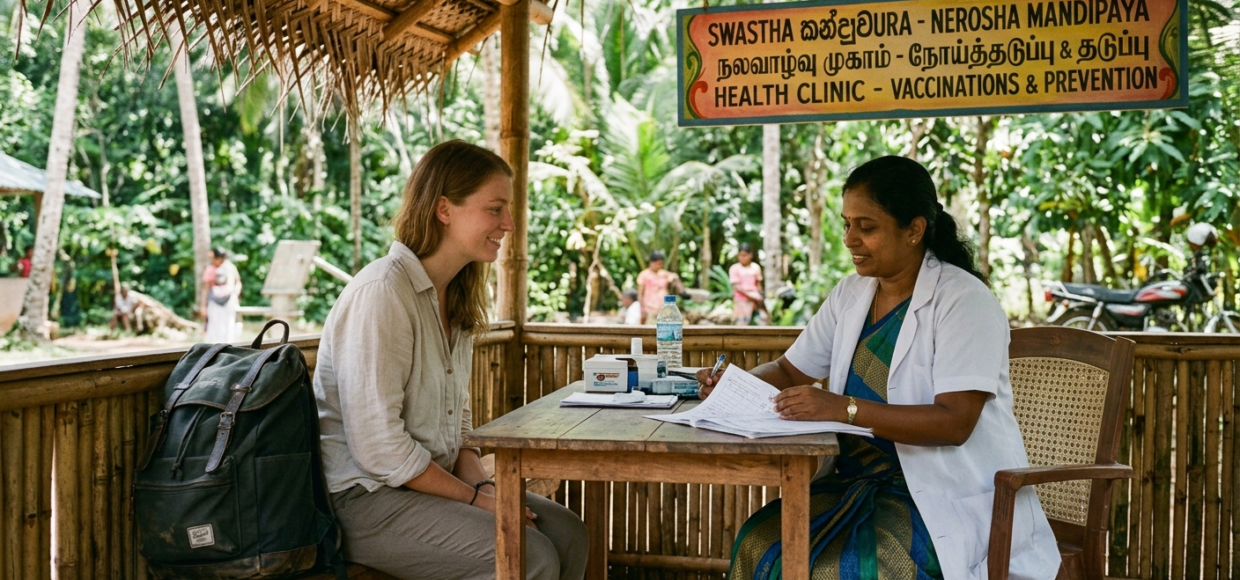
Sri Lanka maintains a remarkably well-organized healthcare network comprising public facilities alongside modern private hospitals. Indeed, local medical professionals undergo rigorous training and communicate fluently in English.
Furthermore, private medical facilities in major cities provide care comparable to high Western standards. For this reason, you will receive excellent clinical treatment should an unexpected health issue arise.
🏨 Choosing Private Hospitals in Major Cities
In the event of sudden illness or injury, head directly toward private hospitals located in Colombo or Kandy. In fact, premier institutions such as Asiri Hospital or Lanka Hospital offer state-of-the-art diagnostic equipment.
Consequently, patient waiting times remain significantly shorter than inside the crowded public hospital network. As a result, you will access specialist care rapidly while recovering in comfortable private patient rooms.
Keep in mind that private medical clinics expect immediate payment settlement via credit card or cash. Indeed, Sri Lankan healthcare providers require financial clearance before proceeding with non-emergency clinical tests.
Therefore, carefully retain all original payment receipts, medical reports, and prescription documents handed over by staff. For this reason, these official records are essential for claiming rapid reimbursement from your insurance provider.
🚑 Securing Comprehensive Travel Insurance
Before embarking on your flight, secure a robust international travel policy through established providers like Chubb Insurance coverage. In fact, emergency private hospital stays or medical evacuations can cost tens of thousands of dollars.
Consequently, your insurance provider will handle major hospital bills directly upon receiving a single phone call. As a result, you will not face devastating out-of-pocket expenses during a major medical crisis.
Verify that your policy explicitly covers outdoor recreational activities such as surfing, diving, or mountain trekking. Indeed, certain adventure sports require specific policy add-ons to guarantee full coverage in the field.
Furthermore, save your insurance provider’s 24/7 emergency assistance phone number directly into your mobile contact list. For this reason, you can reach dedicated support agents at any time of day or night.
Taking the time to insure your holiday guarantees absolute financial protection for your entire traveling party. Consequently, you will navigate health unexpected events without experiencing material stress on site.
☀️ Sun Protection, Heat, and Tropical Ailments
The tropical climate of Sri Lanka features high ambient temperatures alongside heavy humidity levels year-round. Indeed, the ultraviolet index reaches extreme levels along coastal beaches and elevated mountain slopes alike.
Furthermore, heat exhaustion and dehydration threaten unprepared travelers who fail to acclimatize gradually to the weather. For this reason, adopting basic daily sun safety habits will protect your skin and vitality.
🧴 Shielding Your Skin from Severe UV Rays
Apply broad-spectrum SPF 50 sunscreen generously every two hours during outdoor activities across the island. In fact, tropical sunshine burns delicate skin rapidly, even through seemingly harmless overcast cloud cover.
Consequently, wear UV-rated sunglasses alongside a wide-brimmed hat to protect your face and eyes continuously. As a result, you will avoid painful sunburns that could ruin several days of your beach stay.
Opt for loose-fitting, light-colored clothing made from natural linen or breathable cotton for daytime walks. Indeed, these light fabrics allow sweat to evaporate while blocking direct ultraviolet radiation exposure.
Furthermore, avoid direct sunbathing during peak UV hours between eleven in the morning and three in the afternoon. For this reason, resting under palm shade during peak heat hours preserves your long-term skin health.
💊 Assembling an Ideal Travel Medical Kit
Pack a comprehensive personal medical kit carefully organized before departing on your international flight. In fact, while local pharmacies are well-stocked, having familiar brand-name remedies on hand saves valuable time.
Consequently, include paracetamol, anti-diarrheal medication, oral rehydration salts, and mild digestive antiseptics in your bag. As a result, you can treat minor gastrointestinal disruptions immediately upon noticing initial symptoms.
Add sterile bandages, antiseptic wound spray, and hydrocortisone cream to soothe irritating insect bites quickly. Indeed, minor skin scrapes can become infected rapidly in warm, humid tropical environments.
Furthermore, carry electrolyte rehydration powders to replenish vital minerals lost through heavy daily sweating. Therefore, you will maintain high physical energy levels throughout demanding sightseeing itineraries.
Keeping this basic medical kit easily accessible inside your daypack secures all your regional excursions. Consequently, you will respond instantly to minor physical discomforts common to tropical travel.
📖 Personal Experience with Local Healthcare
During the second week of our journey near Galle, my travel partner suddenly developed a high fever. Indeed, body temperatures climbed rapidly to nearly one hundred and two degrees Fahrenheit during the night.
Fortunately, we had thoroughly reviewed our Sri Lanka health and safety guide prior to embarking on the trip. Then, we immediately contacted our hotel front desk to request directions to the nearest clinic.
👨⚕️ Remarkable Local Professional Care
Hotel staff directed us to a modern private clinic situated just ten minutes away by local taxi. Consequently, the attending physician welcomed us warmly and ordered comprehensive blood diagnostics right away.
Furthermore, the onsite laboratory returned complete test results in under an hour to rule out Dengue fever. As a result, the doctor accurately diagnosed a mild case of heat exhaustion combined with dehydration.
Following an intravenous hydration fluid bag and a few hours resting in air conditioning, the fever broke completely. In fact, the genuine compassion displayed by the medical team deeply impressed me throughout the night.
This experience proved to us the real efficiency of Sri Lankan private healthcare when handling unexpected illnesses. For this reason, remaining calm and seeking professional medical guidance early guarantees quick resolution.
🌴 A Healthy Journey from Start to Finish
The remainder of our travel itinerary across the island unfolded without any physical ailments or digestive troubles. Indeed, consistent adherence to bottled water rules and food hygiene kept us completely healthy throughout.
Consequently, by putting these sensible guidelines into practice, your body will adapt seamlessly to tropical rhythms. As a result, you will return home packed with wonderful memories while feeling physically energized.
Indulging in a traditional Ayurvedic massage at a wellness spa will further relax your muscles after long hikes. Therefore, combining modern medical precautions with ancient local wellness practices elevates your entire Sri Lankan trip.
❓ Frequently Asked Questions About Sri Lanka Health
💊 Can you buy medicines easily in local Sri Lankan pharmacies?
Sri Lankan pharmacies are widespread and exceptionally well-stocked across all major towns and cities. Indeed, you will easily find most common over-the-counter remedies available at fixed, affordable prices.
Furthermore, local pharmacists speak English fluently and can suggest appropriate generic equivalents for Western brands. For this reason, you can restock basic medical supplies easily if you run out midway through your trip.
However, bring an adequate supply of your essential daily prescription medications to last the entire trip duration. In fact, keeping original prescription packaging alongside doctor notes prevents unnecessary airport customs delays.
Consequently, you will travel legally with essential medications stored safely inside your carry-on luggage. Furthermore, always note down the generic chemical names of your medications for easy reference abroad.
🐒 What should you do if bitten by a monkey or stray dog?
If bitten or scratched by any wild or domestic animal, wash the wound vigorously for fifteen minutes. Indeed, use clean running water and basic soap to flush away potential surface bacteria immediately.
Furthermore, visit a local hospital without delay to receive emergency post-exposure Rabies vaccinations. For this reason, you must never ignore minor animal scratches received around popular tourist sites.
Rabies is fatal once symptoms appear but completely preventable through timely post-exposure vaccination doses. In fact, Sri Lankan hospitals maintain fresh stocks of modern Rabies vaccines for immediate administration.
Consequently, hospital doctors will initiate the standard international vaccine protocol to safeguard your health. As a result, you can safely resume your travel plans following proper emergency clinical care.
👶 Is Sri Lanka a safe destination for traveling with young children?
Sri Lanka welcomes visiting families with extraordinary warmth and attentiveness across all regions of the country. Indeed, local residents adore children and will consistently go out of their way to assist parents.
Furthermore, simply adhering to standard childhood vaccination schedules and diligent sun protection keeps kids safe. For this reason, traveling alongside young children poses no major health hurdles on the island.
Pack lightweight long clothing to shield sensitive skin against aggressive mosquitoes during morning and evening hours. In fact, arrange shorter transit legs in private vehicles to avoid exhausting young family members.
Consequently, your children will encounter wild Asian elephants and scenic landscapes under safe, controlled conditions. As a result, your family will share an unforgettable tropical adventure together.
🥗 Are vegetarian diets easy to maintain without getting sick?
Sri Lanka is a absolute culinary haven for vegetarian and vegan travelers seeking fresh, flavorful meals. Indeed, the majority of traditional Sri Lankan curries are prepared using plant-based ingredients and coconut milk.
Furthermore, thoroughly cooked vegetable dishes present significantly lower bacterial risks compared to raw meat preparations. For this reason, eating vegetarian meals serves as a smart tactic for maintaining stomach health.
Order vegetarian rice and curry sets at busy local restaurants recommended by neighborhood residents. In fact, the incredible variety of local vegetables like jackfruit, lotus root, and okra will delight you.
Consequently, you will enjoy delicious dining experiences while supplying essential nutrients to your body every day. As a result, your dietary choices will directly support your vibrant health throughout your stay.