
🐆 Yala National Park Safari: Where to Stay and How to See Leopards 🐘
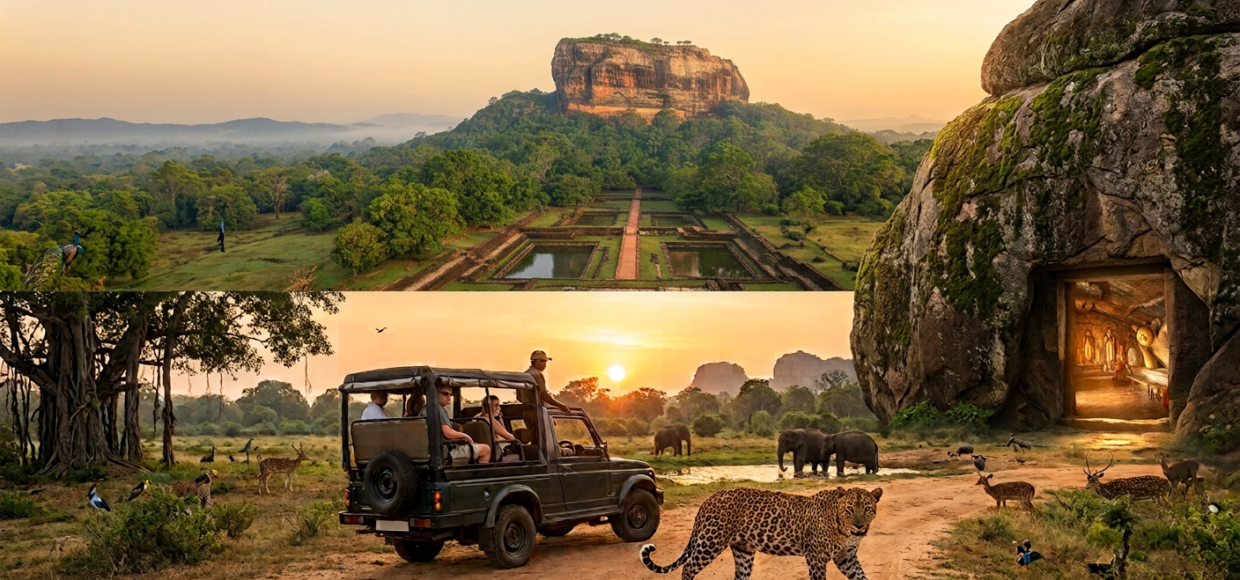
Yala National Park is Sri Lanka’s most famous natural reserve. Situated on the island’s southeastern coast, this wild sanctuary offers spectacular landscapes combining dry scrubland, coastal lagoons, and wild beaches. Yala is world-renowned for housing one of the highest leopard densities on the planet. Indeed, observing this majestic feline in its natural habitat constitutes the climax of any trip to wild Ceylon. In addition to the spotted predator, the park shelters immense elephant herds, sloth bears, crocodiles, and an extraordinary variety of tropical coastal birds. To include this essential step in your global circuit, do not hesitate to read our practical Sri Lanka guide to plan the rest of your adventures.
This comprehensive guide gathers all the essential information to make your safari a success. You will find the best techniques for spotting leopards, practical details on 2026 rates and tickets, key areas of the park, a selection of exceptional hotels, as well as insider tips. Get ready to experience a memorable immersion in the heart of the Sri Lankan jungle.
🌿 Why is Yala National Park unique in the world? 🐾
First, Yala Park benefits from a very special ecosystem. It stretches over more than 970 square kilometers divided into five distinct blocks, only two of which are open to the public. The combination of dry forests, grassy plains, and permanent water bodies creates an ideal environment for wildlife. You traverse varied backdrops that sometimes recall African savanna landscapes.
Second, the concentration of large mammals there is exceptional. Unlike other Asian parks where dense vegetation conceals wildlife, Yala offers remarkable visibility. Furthermore, the presence of an endemic leopard subspecies (Panthera pardus kotiya) at the top of the food chain alters the feline’s behavior. Lacking a rival superpredator like the lion or hyena, the Yala leopard moves with confidence, even during the daytime.
🐆 How to maximize your chances of seeing leopards in Yala? 🔭
Spotting a wild leopard requires a mix of cleverness, patience, and luck. Although the park shelters many individuals, these felines remain masters of camouflage. Here are the golden rules to optimize your sighting:
⏰ Choose the best time slots 🌅
Felines are primarily crepuscular and nocturnal animals. Consequently, the two best time windows to try your luck correspond to the park’s opening and closing hours:
- The morning safari (6:00 AM – 10:00 AM): Arrive at the park gates by 5:30 AM. At daybreak, leopards often move along dirt tracks to avoid morning dew or to hunt. Cooler temperatures encourage their activity.
- The late afternoon safari (3:00 PM – 6:00 PM): As the heat subsides, leopards descend from trees or leave thick bushes to head toward water holes and drink.
📍 Target strategic areas in Block 1 🗺️
Block 1 (Ruhuna) concentrates the highest leopard density. Experienced guides particularly monitor massive rocky outcrops and large trees like banyans. Felines like to lounge on rocks warmed by the sun to oversee their territory. In addition, surroundings of water bodies like Buttawa Reservoir or the Sithulpawwa area constitute very hot spots.
📻 Rely on an experienced naturalist guide 👨💼
The choice of your driver and guide is paramount. A good tracker knows how to spot a fresh paw print in the dust or interpret the alarm calls of axis deer and langurs. When a monkey utters a shrill cry at the top of a tree, it almost always signals a moving leopard beneath the canopy. Avoid rushed drivers who drive too fast and miss hidden details.
🎫 Rates, entry tickets, and logistics for 2026 🎟️
Access to the reserve follows precise regulations. Here is the updated price list and practical details for this year 2026:
- Official entry ticket: National park entrance fees amount to approximately 30 to 35 US dollars per adult (including service fees, entrance taxes, and vehicle entry fees). Payment is made at the official ticket counter at the main gate (Palatupana).
- Private jeep rental with driver: Expect between 40 and 60 US dollars per safari session (morning or afternoon) for privatizing a jeep that can seat up to 6 people.
- Full-day safari: It is possible to rent a jeep for the entire day (from 6:00 AM to 6:00 PM). This is an excellent option to penetrate deeper into the park while other visitors exit at noon.
To avoid any hassle on-site and guarantee a quality all-terrain vehicle with an experienced driver, you can easily book this private Yala Park safari tour which includes pickup from your hotel and the services of a naturalist guide.
🏕️ Where to stay near Yala National Park: Hotel selection 🛏️
Your choice of accommodation radically transforms your safari experience. The region offers a wide range of options, from immersive luxury tented camps to high-end beachfront resorts. Here is our selection of top-tier establishments:
- Immersive luxury and high-end glamping: Wild Coast Tented Lodge. Located at the exact border of the park and the Indian Ocean, this exceptional eco-lodge offers cocoon-shaped tents with avant-garde design. The safari-chic atmosphere and gourmet cuisine offer an unforgettable stay.
- Modern comfort and lake views: Cinnamon Wild Yala. Situated right near the main entrance gate, this iconic hotel is surrounded by nature. Elephants and wild boars regularly cross the grounds to reach the neighboring lagoon.
- Intimate eco-lodge in the heart of the jungle: Jetwing Yala. This vast eco-friendly resort stretches between sand dunes and coastal forest. It offers a huge swimming pool and direct access to a wild beach.
- Charm and authenticity on a budget: Yala Gimanhala. Located in the nearby town of Tissamaharama, this human-scale hotel appeals with its attentive family welcome, clean rooms, and excellent value for money.
🐘 Other iconic animals to observe during the safari 🦚
Although the leopard often captures all the attention, Yala Park houses exceptionally rich biodiversity. Stay attentive to observe these other fascinating species:
- The Sri Lankan elephant: Large solitary males with sometimes impressive tusks and small family herds roam clearings and bathe in water holes in the late afternoon.
- The sloth bear: This insectivorous bear with shaggy black fur is harder to spot. The best period to encounter it is in May and June, when it feeds on fallen fruits from the Palu tree.
- Large reptiles: Saltwater crocodiles and mugger crocodiles frequently bask on the muddy banks of lagoons. You will also cross paths with many Bengal monitor lizards on the sides of tracks.
- Colorful birdlife: Yala counts more than two hundred species of birds. Admiring the courtship displays of wild peacocks, the majestic flight of the crested serpent eagle, or the dive of a kingfisher adds a magical touch to the safari.
🗓️ What is the best time of year to visit Yala? ☀️
The national park can be visited year-round, but the dry season between February and July remains the ideal period for wildlife viewing. During these months, vegetation clears up considerably and secondary water holes dry up. Animals naturally gather around main reservoirs, which greatly facilitates spotting leopards.
Take note of an important piece of information: Block 1 of Yala National Park generally closes its doors each year for several weeks between September and October (extreme drought period). This annual closure allows infrastructure to regenerate and gives animals a rest. If you travel during this period, you can head toward Yala’s Block 5 or Udawalawe National Park.
🎒 Essential packing list for your safari 🧳
A successful safari in the bush calls for simple but essential gear preparation. Pack in your backpack:
- A pair of lightweight, high-quality binoculars to observe distant animals in the vegetation.
- A camera equipped with a telephoto lens (minimum 200 mm or 300 mm) to immortalize the leopard.
- Comfortable clothing in neutral colors (beige, khaki, brown). Absolutely avoid bright colors like red or yellow that startle wildlife.
- A scarf or bandana to protect your face from dust raised by the jeep on dirt tracks.
- Sunscreen, a well-fitted hat, and sunglasses to combat glare.
- A strong insect repellent for stopping moments at sunrise and sunset.
🎒 My personal experience: An unforgettable encounter along the track ✍️
Our jeep’s engine shut off at 6:15 AM in solemn silence. The cool dawn air smelled of damp earth and tropical vegetation. We were positioned near a large granite rock in Block 1. Our guide, focused, scanned tree branches searching for the slightest movement. Suddenly, the piercing alarm call of an axis deer echoed about fifty meters to our left. A second call confirmed the signal: a predator was hunting.
My heart began beating faster. The driver restarted very gently to advance a few meters. That was when he appeared. A magnificent male leopard emerged calmly from the thorny bushes. Paying no attention to our vehicle, the feline walked with absolute grace on the sand of the main track for long minutes. He stopped less than ten meters from us, turned his amber gaze toward the lens, and then lounged nonchalantly at the foot of a tree. That hypnotic face-to-face encounter lasting nearly fifteen minutes remains undeniably one of the most powerful moments of all my travels in Asia.
❓ Frequently asked questions: Everything to know for a successful Yala safari 💡
🤔 Should you book your safari in advance or on-site? ⏱️
It is highly recommended to book your jeep and guide at least a few days in advance, especially if you travel during peak tourist season (from December to March). The best naturalist guides are in high demand. Booking in advance also guarantees punctuality to be among the first vehicles crossing the park gates early in the morning.
👶 Is the Yala safari suitable for young children? 👨👩👧
Safaris are completely accessible to families. However, keep in mind that jeep rides last at least three to four hours on tracks that can be very bumpy and dusty. For children under 6 years old, fatigue and heat can make the outing tiring. Opt for a short 3-hour afternoon safari rather than a full day.
🚾 Are there restrooms inside the national park? 🚻
For obvious safety reasons related to wild predators, it is strictly forbidden to step out of the jeep inside the park. Nevertheless, two authorized secure rest stops exist: the rest area along the beach (Patnanangala) and the main gate. Basic restroom facilities are accessible there.
🐘 What is the difference between Yala Park and Udawalawe Park? 🦏
Yala National Park is the best choice if your top priority is spotting leopards and enjoying varied coastal scenery. Conversely, if you want a guaranteed view of huge herds of wild elephants in wide open plains, Udawalawe National Park often proves more suitable and slightly less crowded.
🌿 How to practice eco-responsible safari habits in Yala? 🚯
To preserve this fragile sanctuary, demand that your driver strictly obey speed limits and avoid cutting off animals. Do not shout when approaching wildlife, and never throw trash out the window. Finally, if you see several vehicles crowding around a single spot, ask your guide to maintain a safe distance so as not to stress the wildlife.
✨ Final tips for a successful adventure 🇱🇰
Visiting Yala National Park is a thrilling adventure that brings a touch of wild magic to your Sri Lankan journey. Keep an open mind: the jungle is not a zoo, and every outing holds its share of unpredictable surprises. Take time to admire landscape details, light plays at daybreak, and the diversity of birds. With a bit of patience and respect for nature, Yala will offer you unforgettable memories.