
10 Things You Absolutely Must Know Before Traveling to Sri Lanka 🗺️
Sri Lanka is a magical destination. This island in the Indian Ocean captivates travelers with its tea plantations, pristine beaches, and rich culture. However, a trip to Sri Lanka isn’t something you can just wing. We’ve explored this magnificent country from top to bottom. During our journey, we made mistakes and learned the hard way. Some of the realities on the ground took us completely by surprise.
To help you avoid the same pitfalls, we’re sharing our experience today. Here are the 10 essential tips to ensure your itinerary is a success and you get the most out of your trip.
The distances seem short… but the trips take time 🚆
On the map, Sri Lanka looks small. You might imagine crossing the island in just a few hours. That’s a complete illusion. The roads are often winding, narrow, and very congested. You’ll be sharing the road with buses speeding by, tuk-tuks, and sometimes even wild animals.
A distance of just 100 kilometers can easily take four hours by car. Mountain routes are even slower. So, don’t pack too much into your days. If you estimate travel times as you would in Europe, you’ll spend your vacation stuck in traffic. Take your time and limit the number of stops. To optimize your itinerary, you can use the website’s search bar to find a reliable private driver.
The country has two distinct monsoon seasons 🌦️
Sri Lanka’s climate is complex. The country experiences two different monsoons at opposite times of the year. When it rains in the west, the sun is shining in the east. It’s therefore crucial to choose your itinerary based on the month you’re traveling.
The southwest monsoon brings rain from May through September to the south and west coasts. Conversely, the northeast monsoon affects the other side of the island from November through March. Fortunately, the center of the country generally remains accessible. Don’t make the mistake of booking your entire stay in one place without checking the local weather. You risk spending your vacation in the pouring rain.
Not all beaches are suitable for swimming year-round 🌊
Sri Lanka boasts kilometers of idyllic coastline. However, the Indian Ocean is powerful and unpredictable. Ocean currents change drastically depending on the monsoon seasons mentioned above. A calm beach in January can become extremely dangerous in July.
In Mirissa or Hikkaduwa, the waves become huge during our summer. Swimming is then prohibited there for safety reasons. If you’re traveling between May and September, opt for beaches on the east coast, such as Trincomalee. The waters there are calm, crystal-clear, and perfect for children. Always check with locals before going into the water.
Train tickets sell out incredibly fast 🎟️
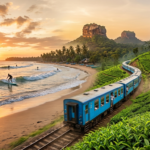
The train ride between Kandy and Ella is considered one of the most beautiful train journeys in the world. The scenery of mountains and tea plantations is breathtaking. The problem is that everyone wants to experience this unique journey. First- and second-class reserved tickets sell out within minutes of going on sale.
Reservations open exactly 30 days in advance. If you wait until you’re there, you’ll end up standing in overcrowded third-class cars. To ensure your comfort, plan as far in advance as possible. You can book your seats through local online agencies as soon as your itinerary is confirmed. This requires some careful planning, but it completely transforms the experience.
The success of safaris depends heavily on the season and location 🐘
Sri Lanka is a paradise for wildlife viewing. You can see Asian elephants, leopards, and bears there. But the animals are constantly on the move in search of water. A national park that’s incredible in August can be completely deserted in January.
For example, Minneriya National Park is famous for the gathering of hundreds of elephants between August and September. Outside of this period, the elephants migrate to the neighboring parks of Kaudulla or Eco Park. Don’t book your safari blindly. Ask local guides where the herds are located at the time of your visit to experience a magical moment.
Each region has a completely different atmosphere 🌴
The cultural and geographic diversity of this island is surprising. Sri Lanka changes its character every 50 kilometers. The north, around Jaffna, is strongly influenced by Tamil culture and Hinduism. The historic center features ancient Buddhist temples and dense tropical vegetation.
The central mountains offer a cool climate and a touch of the English countryside with their tea plantations. Finally, the southern coast offers a laid-back, surf-oriented atmosphere. Traveling in Sri Lanka requires a great deal of adaptability. You’ll go from a sacred, silent temple to a lively beach in the span of a single day. It’s this richness that makes the trip so intense.
Tuk-tuk fares can vary by as much as three times 🛺
The tuk-tuk is the most convenient mode of transportation for short trips. It’s also a fun experience right in the middle of Sri Lankan traffic. However, drivers can spot tourists from a distance. They often charge exorbitant rates to travelers who aren’t familiar with the area.
To avoid scams, download local apps like PickMe in major cities. These apps set a fair price for the ride. If you’re in a more remote area, always negotiate the fare before getting in. Often, halve the initial price quoted to get the fair market rate.
The best hidden gems aren’t on Google Maps 📍
Algorithms and traditional travel guides all recommend the same viewpoints. You’ll end up surrounded by hundreds of tourists all trying to take the same photo. Yet Sri Lanka’s most beautiful hidden gems remain undiscovered.
Secluded waterfalls, small neighborhood temples, and secret viewpoints overlooking rice paddies don’t have any Google listings. Talk to the locals and the managers of your accommodations. They’ll point you toward wonderful trails that are completely untouched by mass tourism. It’s when you venture off the beaten path that the adventure really begins.
Traveling slowly guarantees a much better experience ✨
We often want to see everything on our first trip. We rush through tourist sites at a breakneck pace. In Sri Lanka, this strategy leads straight to exhaustion. The heat, humidity, and slow transportation take a huge toll on the body.
This is where the concept of Slow Travel really comes into its own. Stay at least two or three nights at each major stop. Take the time to have tea with the locals and observe daily life. You’ll remember a shared smile at the market in Ella far more vividly than a race against the clock to see yet another monument before nightfall.
A good initial itinerary makes all the difference 🗺️
How you plan your trip determines the success of your vacation. A poorly thought-out itinerary will cause you to waste entire days on the road. Conversely, a well-structured itinerary balances travel time, cultural visits, and relaxing moments on the beach.
Take the time to set your priorities before you leave. Choose your stops based on the seasons, book your key train tickets, and stay flexible for the unexpected. A successful trip to Sri Lanka is one that’s well-planned but leaves room for the magic of the moment.
Our Personal Experience in the Heart of the Island 💡
During our own trip to Sri Lanka, we made the classic mistake of trying to do too much. We’d planned an intense itinerary to visit as many sites as possible in two weeks. By the third day, the reality of travel caught up with us. Exhausted from the hours spent on buses, we decided to change our plans on the fly.
We chose to settle in for three full days in a small village near Sigiriya. It was the best decision of our trip. We rented bikes to explore the surroundings at our own pace. As we turned onto a dirt road, we came across a herd of wild elephants at sunset. We were completely alone as we took in this magnificent sight. That moment, as if time had stood still, remains our fondest memory—a world away from the crowds at the major parks.
For accommodations, we recommend booking small, authentic properties. During our stay in Sigiriya, we loved the Sigiriya Hotel for its breathtaking view of Lion Rock. In Ella, the 98 Acres Resort & Spa offers a magical setting amid the tea plantations. If you’re looking for advice on the best places to stay, check out our comprehensive guide to hotels in Sri Lanka.
To enjoy memorable experiences without the stress of planning, we’ve also tried out guided tours. We highly recommend booking this private guided walking tour of Sigiriya Fortress to fully understand the fascinating history of this ancient royal fortress.
Frequently Asked Questions: Planning Your Trip to Sri Lanka 🙋
What’s the best way to get around Sri Lanka? 🤔
The train remains the most economical and scenic option for the mountainous region. For more freedom and comfort throughout your stay, hiring a private driver with a car is the ideal solution.
Do I need a visa to enter Sri Lanka? 📄
Yes, a tourist visa is required for French travelers. You must apply online before your departure through the official ETA system. Be sure to keep the printed document safe with your passport.
When is the best time of year to visit? ☀️
The best time overall is from December to March. During these months, the weather is ideal on the south coast, the west coast, and in the central mountains. If you’re heading to the east coast, May through September is the best time to go.
Is it easy to travel with young children? 👶
Sri Lanka is a very family-friendly country. The locals love children. However, the slow pace of transportation and the heat can be tiring for young children. Adjust the pace of your itinerary accordingly.